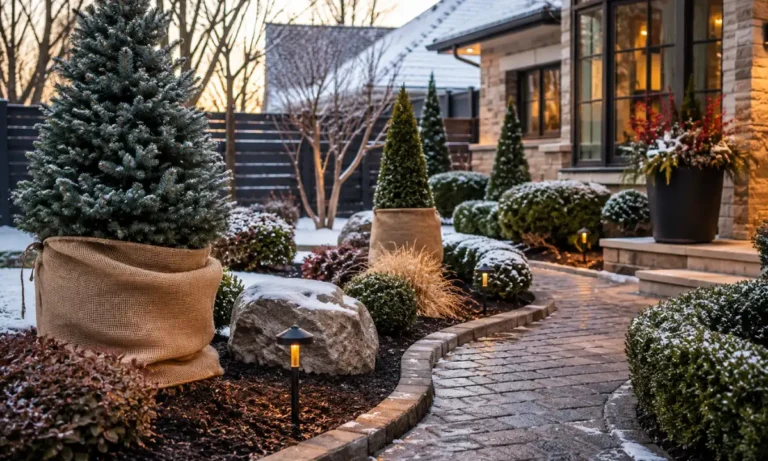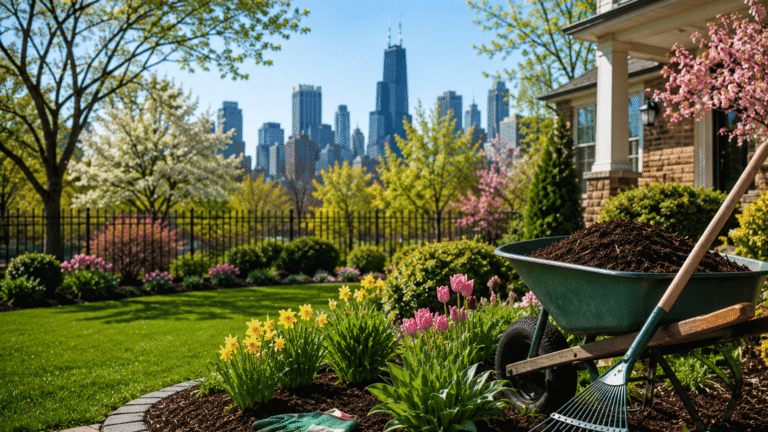
Chicago homeowners know that maintaining a beautiful yard is not as simple as planting a few flowers and mowing the grass once a week. The region’s landscapes experience freezing winters, snow and ice, spring moisture, humid summers, heavy rainfall, and rapid seasonal changes.
Every one of these conditions can affect the health, appearance, and long-term performance of an outdoor space. That is why successful landscaping Chicago homeowners can enjoy year after year requires planning that goes beyond appearance.
A healthy landscape needs to be designed around the property, the local climate, soil conditions, drainage, sunlight, and the way the outdoor space will actually be used.
Whether you own a compact backyard in Lincoln Park, a classic residential property in Lakeview, a narrow urban lot in Wicker Park, or a larger suburban yard in Naperville, the right approach to Chicago landscaping can improve curb appeal, make your property easier to maintain, and create a more functional outdoor environment.
What Makes Landscaping in Chicago Different?
Chicago’s climate creates several challenges for homeowners and property managers.
A landscape must often transition from harsh winter conditions to a short but active spring growing season, followed by hot and humid summer weather.
Heavy rain can create drainage problems, while urban properties may have compacted soil caused by construction, foot traffic, or years of use. These conditions influence nearly every landscaping decision.
A successful landscape plan should consider:
- Sunlight and shade patterns
- Soil quality and compaction
- Drainage and water movement
- Plant selection
- Lawn type and maintenance needs
- Winter exposure and salt damage
- Available space
- Long-term growth of trees and shrubs
- The amount of maintenance the property owner wants to perform
No two properties behave the same way. A landscape design that works perfectly for a sunny suburban yard may not be suitable for a shaded city property with limited space.
This is why professional landscape design Chicago homeowners invest in should begin with the property itself rather than a generic template.
Start With the Site Before Choosing Plants
One of the most important principles in landscaping is choosing plants and materials according to the conditions of the site. Before creating a planting plan, it is useful to evaluate the property carefully.
Sunlight
How much sunlight does each area receive?
A front garden may receive full afternoon sun, while a backyard may remain shaded by mature trees or surrounding buildings. These differences influence which plants are likely to perform well.
Drainage
Where does water collect after heavy rainfall?
Low areas may remain wet, while compacted soil can make it difficult for water to move through the ground. Poor drainage can damage lawns, stress plants, and create ongoing maintenance problems.
Soil
Soil conditions affect root development and plant growth. Urban landscapes may experience compaction from construction and regular traffic. Compacted soil can reduce pore space, interfere with drainage and aeration, and make it more difficult for plants to establish healthy roots.
How the space will be used
A family backyard, an outdoor entertaining area, and a low-maintenance garden all require different layouts. A professional landscape plan should answer a simple question: What should this outdoor space help the homeowner do?
The answer might be relaxing, entertaining, gardening, playing, improving privacy, or simply reducing maintenance.
Chicago Lawn Care Should Follow the Season
A healthy lawn requires more than routine mowing. The timing of lawn care tasks can affect how well cool-season turf recovers from winter and handles summer stress.
University of Illinois Extension recommends keeping many cool-season lawns at a suitable mowing height rather than cutting them excessively short. Depending on the grass type, recommended mowing heights can vary, with many cool-season lawns performing well in the 2- to 3-inch range and some turf-type tall fescues benefiting from a taller height.
Spring lawn care may involve:
- Cleaning up winter debris
- Beginning mowing when grass is actively growing
- Addressing bare or thin areas
- Monitoring weeds
- Evaluating soil and drainage
- Planning seeding and fertilization according to timing
One common mistake is trying to complete every lawn treatment at the same time. Different tasks have different ideal timing.
For example, University of Illinois Extension advises against applying fertilizer too early in spring because early fertilization can encourage top growth rather than supporting the strongest root development.
It also recommends considering soil temperature when timing crabgrass prevention rather than relying only on a calendar date. This is one reason professional Chicago lawn care should be based on the condition of the lawn and the current season rather than an identical schedule for every property.
Spring Cleanup Is the Foundation of the Growing Season
After months of winter weather, many Chicago properties need more than a quick rake. A proper spring cleanup can help restore the appearance of a property and prepare the landscape for active growth.
Typical spring landscaping tasks may include:
- Removing branches and winter debris
- Clearing leaves from lawn areas
- Cleaning planting beds
- Cutting back selected plants
- Inspecting hardscape areas
- Removing damaged vegetation
- Evaluating lawn health
- Preparing garden beds for the growing season
However, timing still matters. Working heavily on soil when it is saturated can cause compaction and damage soil structure.
Similarly, some garden debris can provide overwintering habitat for beneficial insects, so cleanup does not always need to happen all at once. A thoughtful spring yard cleanup balances appearance with the health of the landscape.
Designing Outdoor Spaces for Chicago Homes
Good landscape design should combine visual appeal with practical use. A front yard may need a stronger entry experience, defined planting beds, and plants that provide structure across multiple seasons.
A backyard may require a combination of lawn, garden beds, privacy screening, and hardscape features.
Common landscape design elements include:
- Layered plantings
- Ornamental grasses
- Flowering shrubs
- Native and well-adapted plants
- Defined garden beds
- Trees for shade and structure
- Walkways
- Patios
- Outdoor lighting
The goal is not to fill every available space. A successful design creates balance.
In smaller neighborhoods such as Bucktown, Wicker Park, Logan Square, and Lincoln Park, space may be limited. In these settings, vertical planting, privacy screens, container gardens, and multi-purpose outdoor areas can make a property feel more functional without making it feel crowded.
Hardscaping and Patio Design Should Connect With the Landscape
A patio or walkway should feel like part of the overall property. Poorly integrated hardscaping can appear disconnected from the home and surrounding landscape.
A well-planned design creates a natural transition between the house, patio, lawn, garden, and other outdoor areas.
Hardscaping may include:
- Paver patios
- Natural stone
- Walkways
- Retaining walls
- Steps
- Outdoor seating areas
- Fire pit spaces
- Decorative stone
Good patio design Chicago homeowners can use comfortably should consider how people move through the space. A dining area needs enough room for furniture and movement. A small sitting area may need a more intimate layout.
A walkway should connect important parts of the property rather than simply exist as decoration. Materials also need to be selected with long-term performance in mind. Chicago’s freeze-thaw cycles can place stress on outdoor surfaces, making proper installation and drainage important parts of hardscape planning.
Why Plant Selection Matters in Chicago Landscaping
A landscape can look beautiful immediately after installation and still become difficult to manage later if plants are placed without considering their mature size and growing requirements.
A strong planting plan considers:
- Mature plant size
- Sunlight requirements
- Moisture conditions
- Winter hardiness
- Seasonal interest
- Maintenance needs
- Compatibility with surrounding plants
The best landscapes often include multiple layers. Taller trees or shrubs can provide structure. Medium-height plants can add seasonal color. Lower plants and ground covers can soften the edges of planting beds.
This layered approach creates depth and helps the landscape remain visually interesting throughout the year. For Chicago properties, it is also useful to consider plants that provide structure beyond the summer growing season.
Evergreen plants, ornamental grasses, attractive bark, and strong hardscape elements can continue contributing to the appearance of the landscape during winter.
Landscape Maintenance Protects Your Investment
A landscape installation is not finished when the last plant is placed. Plants need time to establish. Lawns require ongoing care. Garden beds need seasonal attention. Hardscape areas may need cleaning and maintenance.
Regular landscape maintenance may include:
- Lawn mowing
- Edging
- Weed management
- Plant pruning
- Mulch maintenance
- Seasonal planting care
- Leaf removal
- Lawn health monitoring
Illinois Extension emphasizes that lawns have different needs depending on site conditions, grass type, budget, and the homeowner’s desired appearance. There is no single definition of a perfect lawn that works for every property.
This is an important point for homeowners. The right maintenance plan should be based on the actual property rather than an unrealistic idea of what every lawn should look like.
Managing Water and Soil Problems Before They Become Expensive
Drainage problems can be difficult to ignore once they begin. Standing water, muddy areas, unhealthy plants, and water collecting near a foundation may all indicate that the landscape needs better water management.
A landscape professional may evaluate:
- Existing grades
- Low areas
- Soil compaction
- Downspout discharge
- Lawn conditions
- Planting bed locations
Possible solutions vary by property. Sometimes the answer is improving soil. Other situations may require grading adjustments, drainage improvements, or changes to the landscape layout.
Addressing water movement during the design phase is usually better than waiting until repeated problems damage plants or hardscape areas.
Seasonal Cleanup Keeps Chicago Properties Ready for Change
Chicago landscapes need different types of attention throughout the year. Spring cleanup focuses on recovery and preparation. Summer maintenance focuses on lawn health, plant growth, weeds, watering, and keeping outdoor spaces usable.
Fall brings leaves, declining temperatures, and preparation for winter. Winter creates its own challenges, including snow, ice, and potential damage from deicing materials.
A complete seasonal yard cleanup plan helps property owners stay ahead of these changes instead of allowing small maintenance issues to become larger problems. For many homeowners, seasonal maintenance is also a practical way to protect the investment they have already made in their landscape.
A Successful Landscape Is Designed for the Future
The best landscaping is not designed only for the day of installation. Plants grow. Trees mature. Families change how they use their outdoor spaces. Maintenance needs evolve.
A small tree may eventually become a major shade feature. A young planting bed may fill out over time. A patio may become the center of outdoor gatherings.
This long-term perspective is particularly important for larger projects involving:
- Complete landscape renovations
- Outdoor living areas
- Privacy plantings
- Patios
- Retaining walls
- Rooftop gardens
- Extensive lawn improvements
A landscape should be attractive when it is installed, but it should also remain practical and manageable as it develops.
How to Choose the Right Landscaping Company in Chicago
When comparing landscaping services in Chicago, homeowners should look beyond photographs of completed projects. Consider whether the company understands the property’s actual conditions and can clearly explain its recommendations.
Important questions include:
- Does the company understand local seasonal challenges?
- Can it provide the type of service the property needs?
- Does it explain the scope of work clearly?
- Are maintenance requirements discussed?
- Does the proposed design fit the property?
- Are materials and plants selected with long-term performance in mind?
A good landscaping company should be able to connect design decisions with practical outcomes. The best result is not necessarily the most expensive landscape or the most complicated design.
It is the one that fits the property, the homeowner’s goals, and the level of maintenance that can realistically be provided.
Final Thoughts: Build a Landscape That Works With Chicago, Not Against It
The most successful landscapes are built around the conditions of the property. Chicago’s weather will continue to bring seasonal challenges, from winter snow and freezing temperatures to summer heat and heavy rain.
A thoughtful landscape plan recognizes these conditions instead of ignoring them. Good landscaping Chicago homeowners can enjoy for years combines appropriate plant selection, healthy lawn care, practical drainage, durable hardscaping, seasonal maintenance, and a design that reflects how the property is actually used.
Whether the goal is a more attractive front yard, a healthier lawn, a new patio, improved privacy, a rooftop garden, or a complete outdoor transformation, the right plan can make a meaningful difference.
The best time to improve a landscape is not necessarily when the property looks perfect. It is when you understand what the property needs and have a plan for addressing those needs in the right order.